
New Guinea Impatiens Info
Impatiens of all varieties are reliable shade-garden favorites that are hardy in most growing zones across the nation.
While prized for their petite mounds of colorful blooms and easy-care growing habits, one variety is becoming a stand-out, and that’s the New Guinea impatiens.
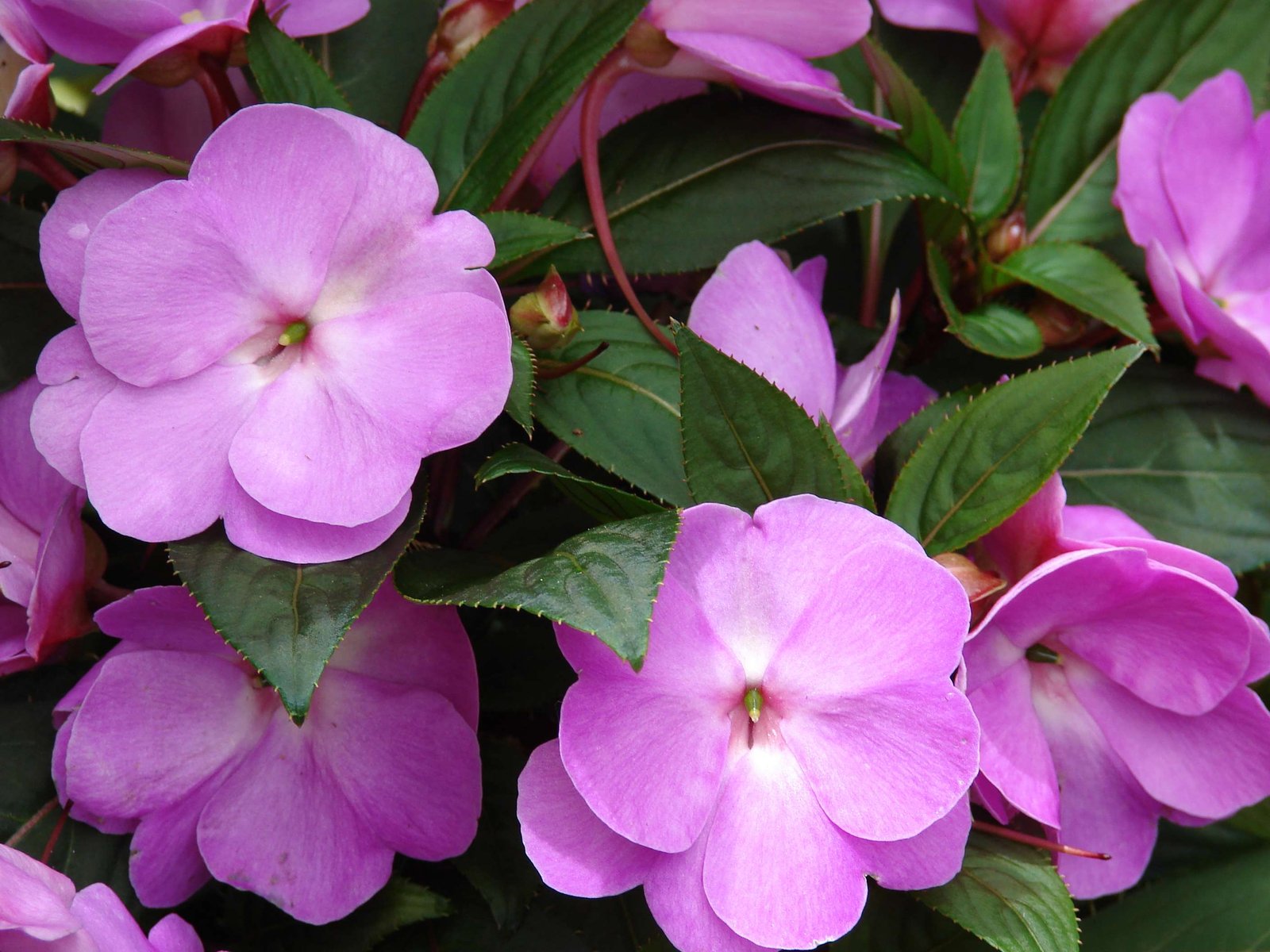
Larger than other varieties of this annual plant, New Guinea impatiens also produce larger flowers that almost seem to have a touch of fluorescent color in their blooms, making them appear to glow under the right lighting conditions.
“As an Amazon Associate, I earn from qualifying purchases.”
Use these planting and care tips for New Guinea impatiens to bring a glowing pop of color to your landscape, porch, or indoor space.
Location
These proliferant blooming plants need to be grown in partial shade and will do their best planted in a location that is shaded from the afternoon sun.
They will grow equally well when planted in-ground or in a container.
New Guinea impatiens are perfect for growing in hanging baskets and will quickly fill up and spill over a standard size hanging basket when given partial shade and plenty of water.
These plants are also great for filling in bare spots in the landscape when their lighting needs are met.
Too much sunlight will thwart the growth of these delightful annuals and full sun will kill the plants.
No products found.
Soil Preparation For The New Guinea Impatiens
Loosen soil to the depth of 8-10 inches in the selected planting location. Remove soil and create a 50-50 mixture of soil and compost, then replace the soil and create planting mounds that are 12 inches apart.
A mature plant will reach about 12 inches tall and wide, so allow plenty of growth room when creating mounds.
Plants or Seeds
New Guinea impatiens can be started from either plants or seeds. Plants will give you quicker results and seeds are less expensive, but the end result will be the same.

When starting with seeds you can plant them directly into prepared soil after all danger of frost has passed in the early spring or start them indoors in small containers 6 weeks prior to the predicted date of the last frost.
Transplant seedlings outdoors when they have reached two inches in height and all danger of frost has passed.
When purchasing plants look for plants that have healthy leaves without spots and no pest infestation under the leaves.
Select plants that have no blooms on them if possible. If plants have blooms, pinch them off as soon as they are planted in the soil.
Planting New Guinea Impatiens
Place plants in the center of prepared mounds or prepared containers. Place at the same growing height the plants were at in the original containers.
Backfill planting hole, gently firm soil, and water impatiens in well.
Add a layer of organic mulch around each plant to retain soil moisture and prevent weed growth.
New Guinea Impatiens Bloom Time

New Guinea impatiens are over-achievers that will bloom from early summer until the first killing frost of fall.
Bloom colors are pink, purple, red, coral, white, orange, lavender, bi-color, and tri-color.
Their foliage is glossy and textured, either in a shade of dark green or bi-colored dark green and deep purple.
After Care
Since the plants are rapid growers and produce non-stop blooms, they will need regular feeding throughout the growing season.
The compost mixed into the planting soil and the layer of mulch gives them a good foundation of food, but they will need to be fed with water-soluble plant food every week to keep them healthy and growing strong.

Water during times of drought and any time the plants begin to wilt.
Do not water from overhead, the wet blooms and foliage will quickly cause mildew to grow on the plants since they are not in direct sunlight all day.
Water the plants at the soil level and try to keep the soil consistently moist at all times.
Keep spent blooms pinched off the plants to encourage more blooms.
The blooms are not good for use as cut flowers. New Guinea impatiens blooms are sterile and produce no seeds and can’t be propagated.
The plants are annuals and will need to be re-planted with new plants every year.
Plants can be trimmed at any time during the growing season to keep them shaped and sized as desired.
In-ground grown plants can be removed from the soil and placed in containers and brought indoors in early fall to prolong their lifespan and bloom time.
Over-Wintering
All varieties of impatiens are annuals, but with a little extra care, the New Guinea impatiens can be over-wintered indoors and re-planted outdoors the following spring.
This over-wintering process can be continued indefinitely with the plant if properly cared for.
To over-winter these stunning little plants, carefully dig it up from the soil before the autumn temperature dips below 40 degrees Fahrenheit.
Dig far enough away from the plant so as to not injure the roots.
Place the plant in a container that is larger than the soil mound and root system that you removed from the ground.
Place a couple of inches of fresh potting soil in the bottom of the container before placing the plant in it.
If the plant is loose in the container, add enough potting soil around the roots to stabilize the plant.
Cut the entire plant back to 1 inch tall.
Water plant and place it in a sunny location away from drafts.
Room temperature should remain in the 70-degree Fahrenheit range during the day, 50-degree range at night.
Water weekly during the winter.
Re-plant outdoors in spring after all danger of frost has passed. Water and feed the plant immediately after re-planting.
No products found.
F.A.Q
How Often Should You Water Impatiens?
If the temperature is above 85 degrees, the container impatiens need to be watered daily. Plants will look tired if there has been a long spell of dry weather. Provide them with some water and they will perk up.
Are New Guinea Impatiens Poisonous to Cats?
Impatiens are non-toxic to cats, which is good news for cat lovers. Cats are capable of driving their owners batty by eating houseplants. According to the ASPCA It is good for cat owners to know that impatiens are safe for cats.


